 +86 18081986320 +86 13540635826
 info@kangsuremedical.com

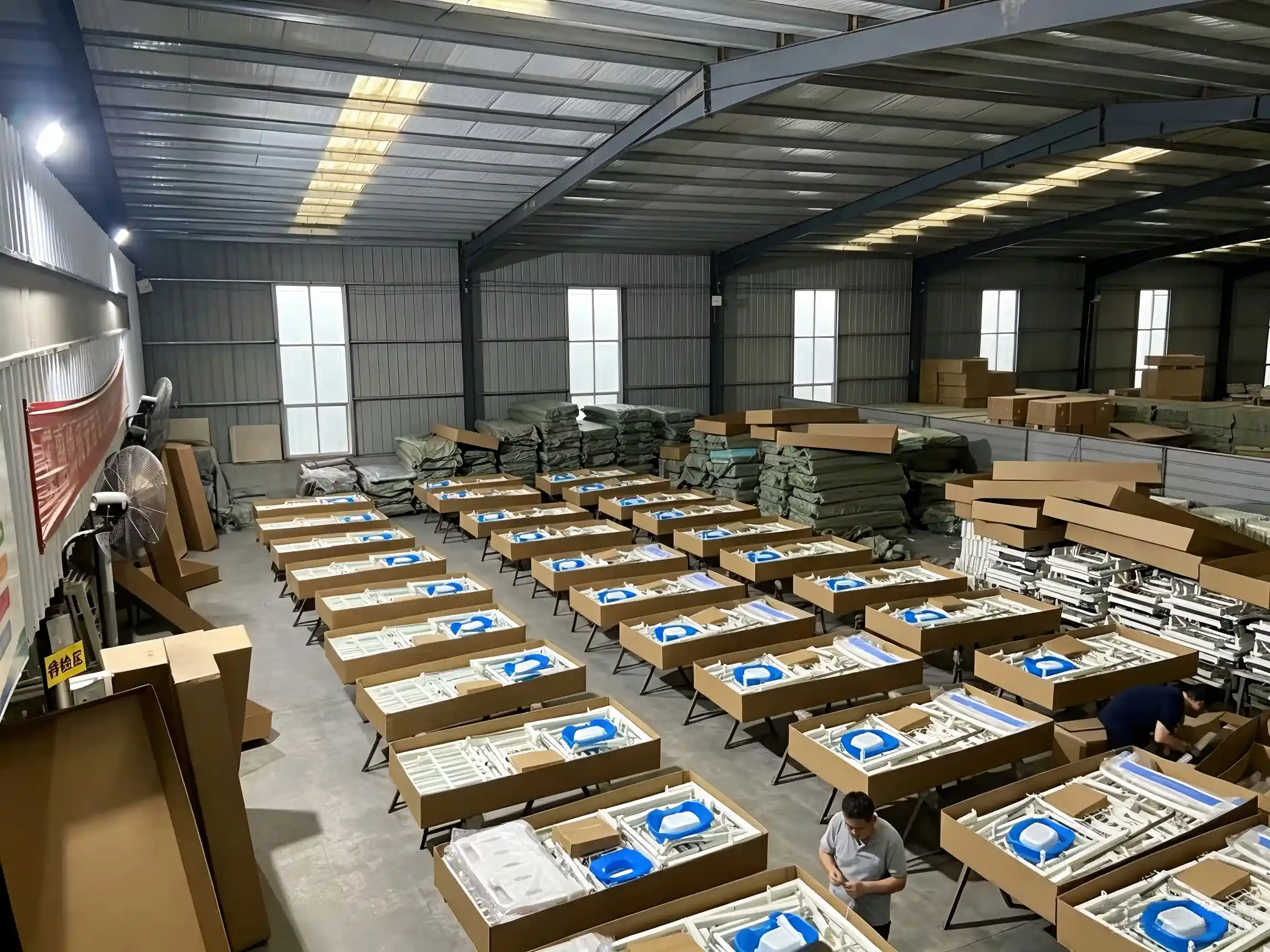
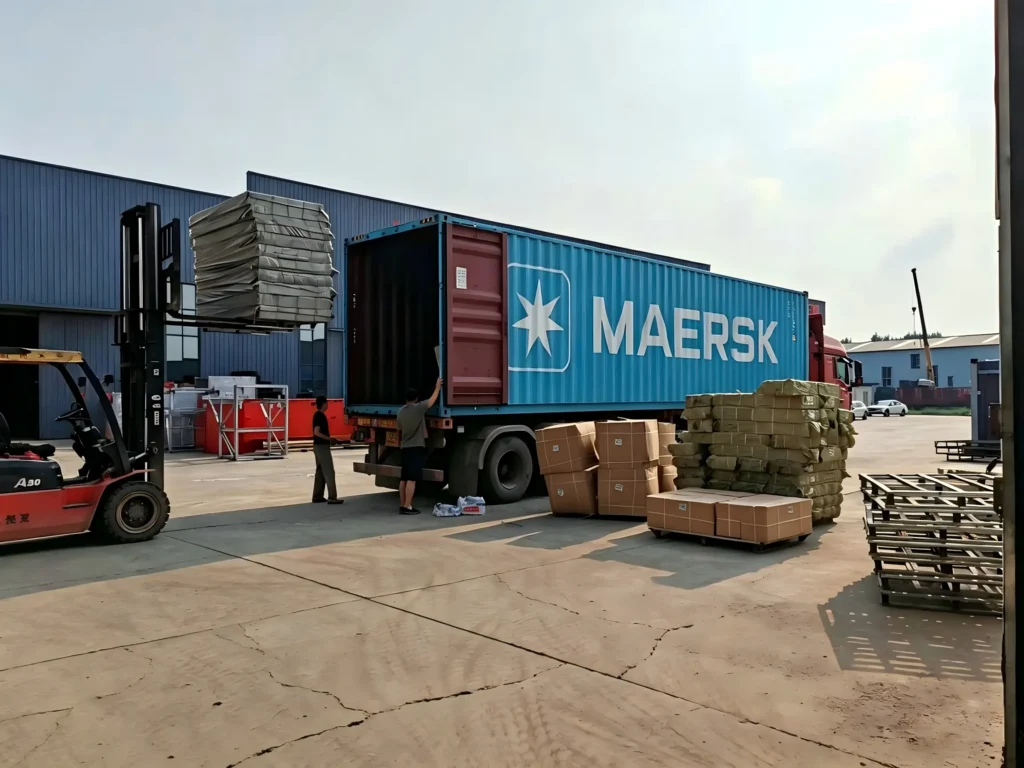
Successful Shipment of 5*40 HQ Containers of Medical Beds to Africa
Africa’s healthcare infrastructure is undergoing a significant transformation, driven by government investments and private sector participation. Recent developments include Kenya’s Sh29 billion commitment to construct 13 new county referral hospitals, each equipped with at least 16 Intensive Care Unit beds and 10 High Dependency Unit beds. Similarly, Tanzania‘s Amsons Group has pledged Sh4.5 billion to build ten mother-and-child hospitals in Kenya over the next three years. In Nigeria, the National Primary Health Care Development Agency is actively upgrading thousands of primary care centers, while South Africa’s private hospital groups are expanding their bed capacity to meet growing demand from both local and medical tourism patients.
These large-scale projects signal a sustained demand for medical beds and related healthcare equipment. For procurement managers and hospital administrators, understanding this evolving market landscape is essential for making informed purchasing decisions. The Africa medical beds market is projected to grow steadily through 2031, with Nigeria, Kenya, and South Africa emerging as key demand centers. Notably, the shift toward specialized care—such as dialysis units, neonatal intensive care, and surgical wards—is creating opportunities for suppliers who offer diversified product ranges beyond standard hospital beds.
When sourcing medical beds for African healthcare facilities, buyers should consider several critical factors. First, product specifications must align with local clinical requirements and patient demographics. Manual hospital beds remain popular in many regions due to their reliability and lower maintenance costs, while electric beds are increasingly specified for ICU and high-dependency units where patient positioning flexibility is paramount. For long-term care facilities, bariatric beds with reinforced frames and wider surfaces are gaining traction as lifestyle-related conditions increase across urban populations. Buyers should also assess bed adjustability—trendelenburg, reverse trendelenburg, and cardiac chair positions—as these features directly impact clinical outcomes and staff efficiency.
Second, suppliers should demonstrate compliance with international quality standards such as ISO 13485 and CE certification, ensuring patient safety and regulatory acceptance. Certifications indicate rigorous testing of load-bearing capacity, side rail strength, and electrical safety for motorized variants. Increasingly, African health ministries are requiring third-party test reports as part of tender submissions, making certification a non-negotiable baseline rather than a competitive differentiator.
The logistics of hospital bed export to Africa present unique challenges. Experienced manufacturers understand that proper packaging—using ISPM 15-compliant wooden crates and corrosion-resistant materials—is essential for protecting beds during long ocean voyages, particularly through high-humidity equatorial zones. Container loading strategies also influence total landed cost; suppliers who optimize packing configurations can reduce shipping expenses by 15–20%, a meaningful saving on large-volume procurements. Buyers should also verify that suppliers can provide comprehensive shipping documentation, including commercial invoices, packing lists, and certificates of origin, to facilitate smooth customs clearance at destination ports such as Mombasa, Lagos, or Durban.
As healthcare infrastructure investment accelerates across the continent, the demand for reliable, cost-effective medical beds will continue to rise. Partnering with established manufacturers who understand both product quality and export logistics positions healthcare institutions for successful long-term procurement outcomes. Equally important, buyers who leverage data-driven forecasting and build strategic supplier relationships can navigate supply chain volatility and secure favorable terms, ultimately enhancing patient care standards across Africa‘s rapidly modernizing health systems.